

What is Drying Machine
A drying machine is a household appliance that is used to remove moisture from a load of clothing, bedding, and other textiles, usually after they are washed in a washing machine. The machine works by circulating heated air through the load, which evaporates the moisture from the fabric. The resulting hot, humid air is usually vented outside to make room for more air to continue the drying process .There are different types of drying machines, including electric or gas-powered dryers, spin dryers, and air dryers.


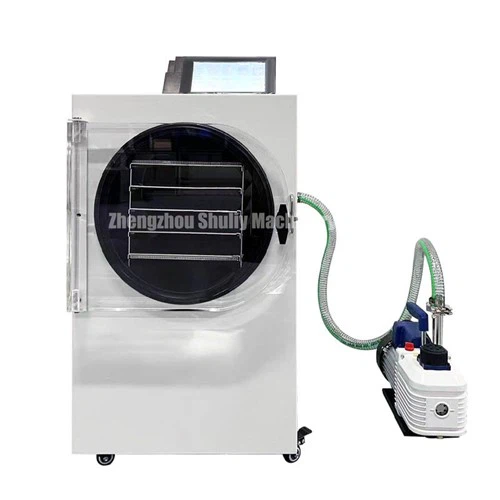
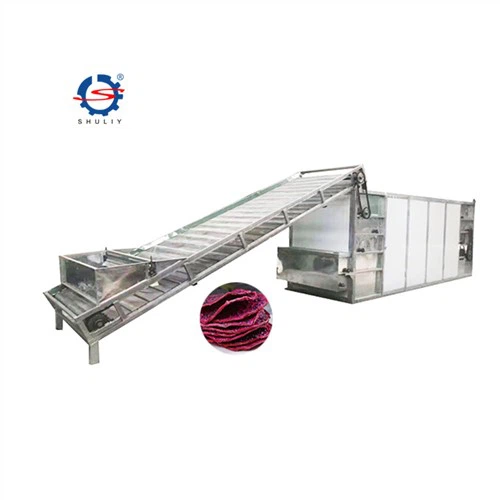

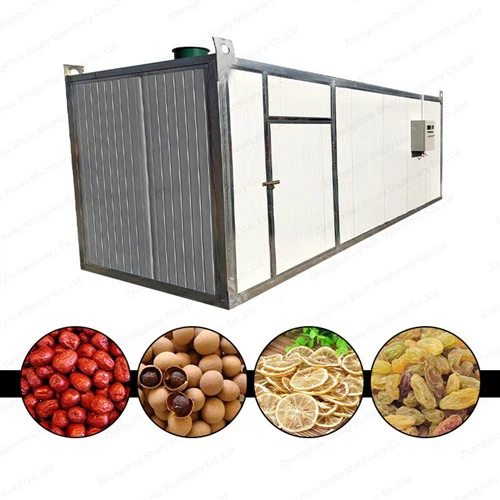
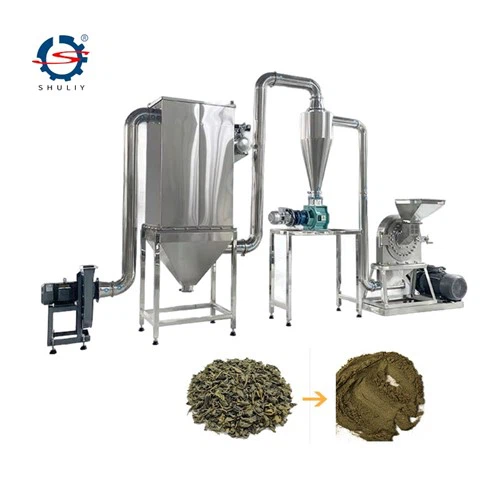

Save Precious Time and Effort
Having your clothes washed is only half the process of getting your laundry done. From hauling laundry bags to the washing machine to waiting for the wash program to end; the process of drying wet clothes on a pole or liner can take a day or more. With a dryer, you can wash and dry multiple laundry loads in a day and store them immediately in the closet.
Space is No Longer a Constraint
If limited space at home is an issue, a compact dryer would be the ideal household appliance to carry out the necessary laundry task. Say goodbye to unsightly clotheslines and clotheshorses at home, as dryers are compact and can be tidily stored in a corner of your kitchen while providing optimum drying performance.
Quick Dry, No Matter the Weather
Air-drying laundry is often affected by wet weather or the monsoon season – it can take a couple more days to dry your laundry. Having your clothes dried on a pole or liner under the sun also exposes them to dust particles, smog and odours. Sun exposure may help in disinfecting laundry, but the ultraviolet rays may cause the colours of your clothes to fade.
Wash Larger Items With Ease
It is essential to wash your upholsteries at home regularly as dust can accumulate with time. The dilemma with washing and drying these large items however, is that it can interfere with your daily laundry routine. Longer time and more space are needed to dry these upholstery pieces, in addition to your daily laundry items.
Zhengzhou Shuliy Machinery Co., Ltd. was established in 2011 and is located in Zhengzhou City, Henan Province, China.Shuliy Group has more than 12 years of experience in machinery product manufacturing and foreign trade export, and has rich experience in machinery industry manufacturing and after-sales service.
Our company's main products are plastic recycling and granulating machinery, food processing machinery, metal baler machinery, charcoal briquette making machine, and wood processing machinery. Cashew nut production line, hydraulic baler, briquette making machine are all hot selling machines in our shop
Most of our products have CE certificates, and our company has also passed the certification of the TUV testing agency. In addition, we have obtained import and export rights, and have the ability to export high-quality mechanical products to the whole world.
Our products have been sold to more than 100 countries and are well received by customers. We have served thousands of client companies, and provided these client companies with our factory's equipment and technical support and services.
Gas dryers: These dryers use natural gas or propane to heat up the air to dry your clothes. They tend to cost more upfront, but since they don’t require as much electricity, their running costs tend to be cheaper over time.
Electric dryers: These dryers rely purely on electricity to heat and power up the machine. Their upfront costs can be cheaper than that of a gas dryer, but because they depend on electricity to run, their running costs may be more expensive than their gas counterparts.
Top-load matching dryers: These dryers aesthetically match top-loading washers for a more uniform and cohesive look in your laundry room. They have their control panel toward the back of the machine like a top-loading washer would, and are usually placed side-by-side.
Front-load matching dryers: These dryers are designed to match front-loading washing machines. They are usually placed side-by-side and have their control panel at the front of the machine.
Ventless dryers: These dryers do not require an external venting system, making them ideal for apartments or other small living spaces.
Stacked and stackable dryers: These dryers are designed to be stacked on top of a washing machine, saving space in your laundry room.
Steam dryers: These dryers use steam to help remove wrinkles and odors from your clothes.
All-in-one combination washers and dryers: These machines combine a washer and dryer into a single unit, making them ideal for small living spaces.

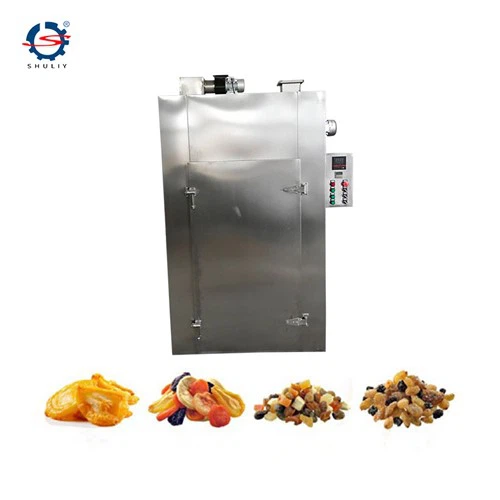
Food processing: Drying machines are used to remove excess moisture from food products, thereby increasing their shelf life.
Pharmaceutical industry: Drying machines are used to dry active pharmaceutical ingredients (APIs), excipients, and other intermediate products.
Paper industry: Drying machines are used to dry paper pulp and other paper products.
Mining industry: Drying machines are used to dry minerals and ores before processing.
Chemical industry: Drying machines are used to dry various chemical products such as fertilizers, pesticides, and inorganic chemicals.
Wood processing industry: Drying machines are used to remove excess moisture from wood products such as lumber and plywood.
Biotechnology industry: Drying machines are used to dry microorganisms such as yeasts and bacteria for storage or further processing.
Textile industry: Drying machines are used to dry fabrics and garments after washing or dyeing.
Plastic industry: Drying machines are used to dry plastic pellets before they are molded into final products.
Energy industry: Drying machines are used to dry biomass fuels such as wood chips and sawdust before they are used for energy production.

Process of Drying Machine
The dryer process involves several steps.
Tumble: The drum of the dryer rotates, and hot air passes through it, causing the clothes to tumble and dry.
Heating: The dryer heats the air in the drum. Heating systems can use gas or electricity to create hot air to dry clothes.
Monitoring: The dryer's sensor monitors the drying process and automatically stops the dryer when the clothes are dry.
Clean up: Clean the lint filter to remove any accumulated lint, and wipe down the dryer to remove any moisture or debris.
Loading
Load clothes into the drum of the dryer.
Dehumidification
Hot air removes moisture from clothes and turns water into steam.
Exhaust
Water vapor is discharged from the dryer through the exhaust port.
Unload
Once the drying cycle is complete, remove the clothes from the dryer.
Heating device
This is the part of the dryer that is responsible for generating heat to dry the materials being processed.
Drying room
This is the space where materials to be dried are placed. Depending on the type of machine, drying chambers can come in various shapes and sizes.
Mechanical components
Including fans, blowers and belts required for air circulation in drying rooms.
Control Panel
This part of the dryer contains buttons, switches, and a display that allows the operator to adjust various drying settings, such as temperature and drying time.
Exhaust vent
This part helps to exhaust the humid air circulating in the drying chamber.
Air inlet
This part is responsible for introducing fresh air into the drying chamber to help the drying process.
Temperature and Humidity Sensors
These sensors help in monitoring the temperature and humidity levels in the drying chamber.
Support frame
This part helps keep the machine stable and prevents the machine from tipping over during use.
Air filter
This component helps remove any particles that enter the drying chamber and contaminate the material being processed.
Clean the lint trap
Cleaning the lint trap before each use is essential for proper dryer maintenance.
Avoid overloading
Overloading the dryer may prevent the load from being cleaned properly, may cause the machine to become unbalanced, and may put additional stress on the machine.


Clean your dryer vent
With regular use, your dryer can accumulate dust and lint, which can negatively affect its performance.
Wipe the outside of your dryer regularly
Wipe the outside of your dryer regularly with a damp cloth to keep it clean and dust-free.
Zhengzhou Shuliy Machinery Co., Ltd. was established in 2011 and is located in Zhengzhou City, Henan Province, China.Shuliy Group has more than 12 years of experience in machinery product manufacturing and foreign trade export, and has rich experience in machinery industry manufacturing and after-sales service.


As one of the most professional drying machine manufacturers and suppliers in China, we're featured by quality products and competitive price. Please rest assured to buy drying machine for sale here from our factory. For customized service, contact us now.
Coal Dryer Machine, Drying Machine(0/10)

