

Zhengzhou Shuliy Machinery Co., Ltd. was established in 2011 and is located in Zhengzhou City, Henan Province, China. Shuliy Machinery mainly produces biomass charcoal making machine production lines, plastic recycling machinery, food processing machinery, agricultural machinery and metal baler machinery and so on. Years of technology accumulation and product innovation have enabled our company to have many domestic and foreign customers and win a good reputation.




Rich Experience
Zhengzhou Shuliy Machinery Co., Ltd. was established in 2011 and is located in Zhengzhou City, Henan Province, China.Shuliy Group has more than 12 years of experience in machinery product manufacturing and foreign trade export, and has rich experience in machinery industry manufacturing and after-sales service.
Product Application
Our company's products cover most industries, charcoal machine is suitable for the charcoal manufacturing industry, the recycling machine is suitable for the environmental protection recycling industry, the food machine is suitable for the food processing industry, and agricultural machinery is suitable for the agricultural processing industry.
Professional Certification
We have passed the ISO9001 quality management system certification, which shows that we follow international standards in product design, production, sales, and after-sales service. At the same time, most of our products have CE certificates, and our company has also passed the certification of the TUV testing agency. In addition, we have obtained import and export rights, and have the ability to export high-quality mechanical products to the whole world.
Advanced Equipment
Our production line adopts automation and intelligent technology, including CNC machine tools, machining centers, laser cutting equipment, precision measuring instruments, etc. This advanced equipment not only improves the manufacturing precision and quality of products but also can meet the specific needs of different customers.
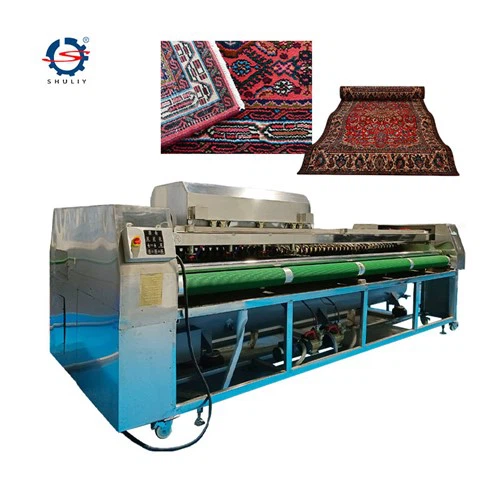
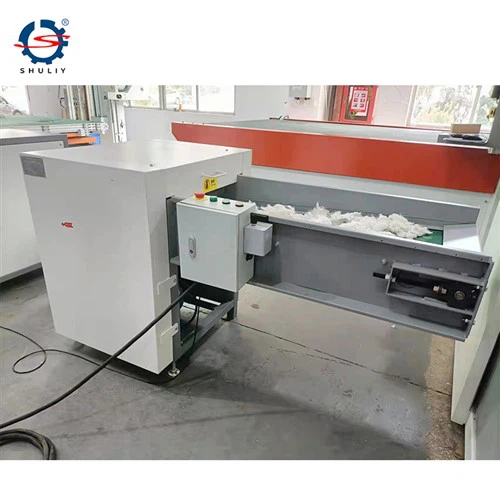
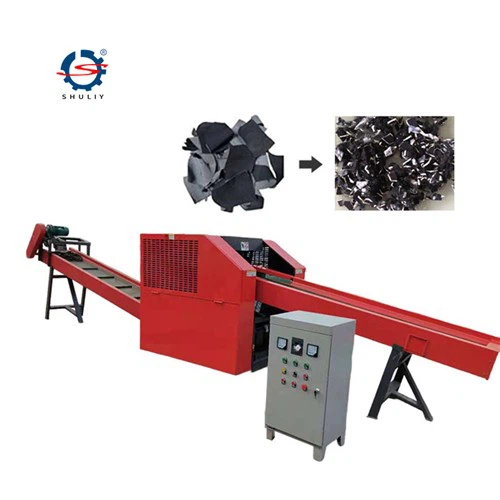
Textile machinery is mechanical equipment used to produce any type of fabric, rug, or carpet. Machines are used to collect or make fibers that will be turned into textiles. Other machines spin fibers into thread and weave thread into cloth. There are several types of machines used by the textile industry. Cotton gins clean the seeds and debris from raw cotton. Spinning machines convert raw fibers into threads and yarn. Looms weave thread and yarn into cloth. Sewing machines are used to assemble pieces of cloth into clothes, curtains, and other forms of textile products.

Sewing Machines
Sewing machines are the most used textile machines, even by those who do not work in the clothing industry.
Stitching Machines
As each machine carries out a different job, you need to know what your business needs. Therefore, make a survey of the types of pieces that will be made in the coming months and invest in the equipment that makes the most sense for your business' scenario.
Pattern Digitizing Table
If you're still making patterns by hand and need to deal with a lot of reworks on a daily basis, a pattern digitizing table can be game-changing for your production process. It features intuitive tools and a wizard for scanning large patterns, as well as a frame for digitizing patterns. By taking just one photo, you can digitize paper patterns and create digital bases that you can modify without losing the original model.
Spreader
The spreader is the perfect machine for businesses that want to save time and resources while optimizing their manufacturing process. There are two types of spreaders: manual and automatic. The choice between the two of them will depend on the size and type of business you have. The automatic spreader is sure to speed up the production of your items. It comes with a programmable feature that can accommodate multiple spreads for the same day, allowing you to increase the dynamism and autonomy of your processes and enhance the quality standard of your products. Moreover, a spreading table is super versatile and can be used for a variety of purposes. It is capable of handling different sizes of spreads, also performing functions such as insufflation, meaning that your business can expand its production according to its layout.
Cutting Machine
There are several types of cutting machine available in the market. From simple sizes to intricate shapes, cutting machines play an integral role in the textile industry. An automated cutting machine, mainly a cutting room, is designed to connect people and equipment in a 100% secure and digital way. The cutting machine also ensures that production is timed, aligned with the company's objectives, and providing accurate data for decision-making. Additionally, there are machines that can cut large varieties of designs in fabrics and other flexible materials, quickly and economically, enabling continuous production. Ultimately, it all depends on your needs and budget.
A Buttonhole Machine
Having a machine to sew on buttons or buttonholes can make clothing production processes easier and more efficient. This machine can make the difference in your clothing manufacturing, offering agility and streamlining this crucial step.
Fusing Machine
The fusing machine is an essential piece of equipment for the clothing industry, providing pieces with greater quality and helping to optimize various stages of production. This equipment is what your clothing business needs to provide more strength and support to the structure of fabrics. There are many types of fusing machines to help in the quality procedure of your company, so you can choose the one that best meets your needs.
Line Plotter
The line plotter is a type of machine that prints drawings with large dimensions and can be used for different types of materials. It is ideal for companies that need to produce large prints with impeccable quality. In clothing manufacturing, it is used to print intricate patterns and inserts for fabrics, saving both time and resources. With this machine, businesses can be sure to make perfect lines, achieving exceptional results that will help them stand out from their competitors.
Cutting
Cutting is a super important step in the textile industry. You need precision and accuracy when it comes to overlapping patterns on a desk. That's where cutting machines come in handy. They make this process way more efficient, saving time and effort.
Spreading
Now, when it comes to spreading, an automatic spreader is the go-to choice. It's perfect for cutting fabrics because it aligns and stacks them neatly. This means the whole activity becomes faster, safer, and even more cost-effective.
Overlock
It's a key player in the textile industry. This textile machinery takes care of finishing the edges of the cut pieces, preventing fraying. But here's the thing – sometimes it's better to do the overlock at the end, along with the sewing stage. Depending on the fabric type, doing the overlock right after spreading can damage the piece
Sewing
Next up, we've got sewing, one of the most crucial stages in clothing manufacturing. This is where the pieces are stitched together. Each machine on the production line has its function, making the sewing process efficient and top-notch.
Finishing
Finishing touches matter. That's where you add zippers, buttons, seams, unique cuts, and other accessories by hand.
Quality Control
After the whole manufacturing process, it's vital to put the pieces through some quality control. So, this step ensures that everything is up to snuff.
Labeling and Storage
Last but not least, we got to label and store the pieces correctly before they head out for distribution.


Fabric Type
Different weaving machines are designed to handle specific fabric types. Consider the range of fabrics you plan to produce, including their weight, texture, and fiber content. Ensure the machine can accommodate the diversity of materials you intend to work with.
Weave Complexity
Some weaving machines are better suited for intricate patterns and designs, while others excel at producing simpler fabrics. Assess your production needs and select a machine that can achieve the level of complexity your designs demand.
Production Speed
The weaving speed of a machine determines how quickly you can produce fabrics. Evaluate whether the machine's speed aligns with your desired production output. A higher weaving speed can lead to increased productivity, but it might also impact fabric quality or require more energy.
Energy Efficiency
Look for machines that are energy-efficient to help reduce operational costs and environmental impact. Newer models often incorporate energy-saving technologies that can lead to significant savings over time.
Maintenance and Durability
Maintenance requirements and machine durability are vital considerations. A machine that demands frequent maintenance or has a short lifespan can lead to downtime and increased expenses. Prioritize machines with a reputation for reliability and longevity.
Automation Features
Automation can enhance efficiency by minimizing manual interventions. Some weaving machines offer features like automatic tension control, self-threading mechanisms, and electronic pattern selection. These features can improve overall productivity and reduce the likelihood of errors.
Space and Layout
Assess the available space in your weaving facility. Ensure the dimensions of the machine fit comfortably within your layout without causing congestion or hindering workflow.
Ease of Use
A user-friendly interface and intuitive controls can expedite training for operators and reduce the learning curve. Clear instructions and accessible settings can lead to smoother operations and better utilization of the machine's capabilities.
Spare Parts and Support
Consider the availability of spare parts and technical support. Reliable customer support and access to spare parts are crucial for minimizing downtime in case of breakdowns or repairs.
Budget and ROI
Weaving machines come in various price ranges, and the cost should align with your budget. However, also consider the potential return on investment. A more expensive machine with higher productivity and advanced features could lead to greater long-term gains.
Scheduled Maintenance Routine
Establish a scheduled maintenance routine for each machine in your textile production line. This routine should include daily, weekly, monthly, and yearly checks and tasks. Regular inspections help in identifying potential issues early on, reducing the risk of unexpected breakdowns.
Cleaning and Lubrication
Keep the machines clean from dust, lint, and debris that can accumulate during operation. Regular cleaning not only ensures smooth operation but also prevents wear and tear on machine components. Additionally, proper lubrication of moving parts is crucial to reduce friction and prevent premature failure. Use the recommended lubricants and follow the manufacturer's guidelines for lubrication intervals.
Check for Wear and Tear
Inspect machine components regularly for signs of wear and tear such as frayed belts, loose bolts, or damaged gears. Replace any worn-out parts promptly to prevent further damage to the machine and maintain production efficiency.
Calibration and Alignment
Ensure that all machine components are properly calibrated and aligned according to the manufacturer's specifications. Misalignment can lead to inefficiencies and increased wear on parts. Regularly check and adjust alignments as necessary to maintain optimal performance.
Monitor Operating Conditions
Keep an eye on operating conditions such as temperature, humidity, and vibration levels. Extreme conditions can adversely affect machine performance and lead to breakdowns. Install monitoring systems if necessary to track these parameters and take corrective actions as needed.
Employee Training
Train your staff in proper machine operation and maintenance procedures. Well-trained operators are better equipped to detect abnormalities and perform routine maintenance tasks effectively. Encourage a culture of responsibility and accountability among employees regarding machine maintenance.
Keep Spare Parts on Hand
Maintain an inventory of critical spare parts to minimize downtime in case of unexpected failures. Identify the most commonly replaced parts and keep an adequate supply on hand to facilitate quick replacements when needed.
Consult Manufacturer's Guidelines
Always refer to the manufacturer's guidelines and recommendations for machine maintenance. These guidelines are tailored to the specific requirements of each machine model and can help optimize performance and prolong machine lifespan.
Document Maintenance Activities
Keep detailed records of all maintenance activities performed on each machine. This documentation helps track maintenance history, identify recurring issues, and plan future maintenance tasks effectively.
Seek Professional Assistance
For complex maintenance tasks or troubleshooting issues beyond your expertise, don't hesitate to seek assistance from qualified technicians or the machine manufacturer. Prompt professional intervention can prevent further damage and ensure the longevity of your textile machinery.
Zhengzhou Shuliy Machinery Factory has a modern production workshop and sophisticated processing equipment. Our factory is equipped with a professional quality control team and after-sales service personnel to track every order scientifically and provide customers with efficient services.


As one of the most professional textile machinery manufacturers and suppliers in China, we're featured by quality products and competitive price. Please rest assured to buy textile machinery for sale here from our factory. For customized service, contact us now.
Textile Machinery, Textile Fabric Waste Recycling Machine, Fiber Opener Pillow Filling Machine(0/10)

