

Vietnamese rice paper is an important part of Vietnamese food culture and is widely used for spring rolls, fresh rolls, grilled snacks, and other dishes. Traditional production requires workers to prepare the rice batter, spread it into thin sheets, steam the sheets, transfer them to drying racks, and dry them before packaging. The process requires considerable time, skill, and manual labor.

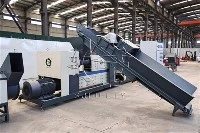
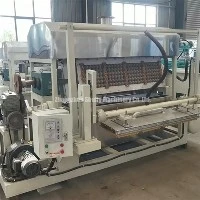
As demand for rice-based foods continues to grow, more producers are looking for ways to improve production efficiency without losing the characteristics of traditional rice paper. Modern rice paper production machines can automate key processing steps, helping reduce manual operations and providing a more hygienic and stable production environment. Automated rice-paper systems have already been developed to improve production efficiency and product consistency.
The Vietnam Rice Paper Noodle Machine is designed to make this traditional food easier to produce on a commercial scale. Depending on the production configuration, the machine can help with batter feeding, forming, steaming, and conveying, while parameters such as product thickness can be adjusted according to production requirements.

Compared with fully manual production, machine-assisted processing can significantly reduce labor requirements and make production more consistent. It is especially suitable for food manufacturers, rice paper workshops, and businesses looking to expand from small-scale production to a more standardized operation.
Traditional craftsmanship gives Vietnamese rice paper its unique character, while modern machinery provides a new way to improve hygiene, efficiency, consistency, and production capacity. By combining traditional recipes with modern food processing technology, producers can continue this familiar Vietnamese food tradition while meeting the needs of today's market.


